
Objective
Built on Trust. Driven by Insight. Focused on Impact.
The European Sustainability Week 2026, organized by EUPD Group, provides a unique platform to discuss the latest national and international developments shaping the sustainability transformation.
Throughout the week, industry pioneers, policymakers, business leaders, expert councils and committees come together to exchange perspectives and discuss practical solutions.
The programme brings together a diverse range of formats – from expert discussions, committees, and networking opportunities to dedicated conference sessions across the Environmental, ESG, and Social dimensions of sustainability. Participants will hear from Top Voices, engage in interactive discussions, discover innovative solutions, and connect with peers across industries and sectors.
The European Sustainability Week attracts a diverse audience, including energy industry professionals, ESG leaders, policymakers, and experts in corporate social responsibility and workplace health management. Across three days, attendees can expand their knowledge, hear from experts across the Environmental, ESG and Social dimensions, and build connections across industries.

Overview
The first day of the European Sustainability Week 2026 (November 23, 2026) is exclusively reserved for creating strategic roadmaps within the EUPD Group’s committees, laying the thematic groundwork for the following days. No conference sessions are scheduled for that day.
Nov, 24
Tuesday
Environmental Forum
English
From Energy Transition to Business Advantage
The Environmental Forum brings together industry leaders, solution providers, and market experts to explore the markets, technologies, and policies shaping the energy and environmental transition.
Amid new regulation, energy prices and competitive pressure, companies are redefining their energy future — a shift the Environmental Forum gives dedicated space to this year.
Through expert insights, discussions, and practical perspectives, the forum focuses on what is scalable, what is bankable, and what is needed to accelerate the transition – grounded in real market developments rather than hype.
Sessions:
• Policy, Regulation & European Market Outlook
• The Evolution of the C&I Market
• From Energy Supplier to Energy Partner
Nov, 24
Tuesday
09 AM – 10 PM CET
ESG Summit
English
From Proof to Power
The ESG Summit brings together decision-makers from business, finance, and regulation to explore how ESG is evolving from compliance to strategy.
Through market-driven insights, expert panels, and breakout sessions, the summit focuses on what truly matters for competitiveness, investment decisions, and long-term value creation.
Sessions:
• Proven through Integrity & Transparency
• Powered by Capital & Innovation
• Realized in Performance & Community
Nov, 25
Wednesday
09 AM – 2 PM
Social Forum
German
• The Business Case for Health: Governance, Metrics & Investment
• Mental Health: From Obligation to Impact
• The Next Five Years: Digitalisation, AI & the “S” in ESG
Topics | ESG Summit

Industry and commerce account for around 40% of the EU’s energy use — making them central to decarbonisation. Technologies like photovoltaics, hydrogen, battery storage, and virtual power plants are moving from pilot to scalable infrastructure. Smart grids and AI-driven energy management reshape supply for commercial and industrial customers, while climate adaptation and mitigation strategies build resilience across operations. As geopolitical shifts accelerate, energy self-sufficiency becomes a strategic imperative grounded in real market insights and bankability — not hype.


The idea behind a circular economy is to use resources in a sustainable and efficient way by reusing them in a continuous cycle. Instead of a conventional linear economic system where resources are thrown away after being used, products and materials are reused in new products and materials at the end of their life. This avoids waste, resources are used for longer and the environmental impact is reduced. Companies can consider circularity in all phases of their product cycle – from production to disposal. This opens up opportunities for innovation and new business models aimed at reducing resource consumption and waste. At our events, you will have the opportunity to listen to experts and practitioners share their experiences and best practices for designing a circular economy.

The integration of ESG criteria into business strategies is crucial for the long-term success of a company. It leads to cost savings, higher productivity and increased investor and stakeholder confidence. In addition, ESG integration promotes innovation and sustainable business practices that ensure long-term value creation. Companies that implement ESG criteria are better prepared for regulatory requirements and position themselves as attractive employers and business partners in a changing economy.


Standards and regulations play an important role in promoting sustainability in companies. On the one hand, they provide a framework within which sustainability goals can be defined. On the other hand, they ensure that companies implement their goals in a credible way and that their performance is assessed and verified by independent third parties. This can help to gain the trust of customers, investors and other stakeholders and protect their reputation. However, regulation can also be overbearing and impose unnecessarily complicated and costly procedures on companies.

The term sustainability can be defined in different ways. Sustainability is not absolute, but must always be considered in context. Companies are therefore encouraged to assess their sustainability performance in relation to thresholds and allocations that are specifically relevant to their sector and geography. This enables them to measure and communicate their performance in a meaningful way and facilitates comparison with other companies in their industry. It also allows companies to better identify which areas of their sustainability strategy they need to further improve in order to ensure long-term sustainable growth. Transparent reporting aims to trigger change at the micro level of individual companies, but also at the meso level of industries, investment portfolios and regional habitats, and ultimately at the macro level of economic, social and environmental global systems.

Wellbeing & Human Capital
SELECTED SPEAKERS 2026
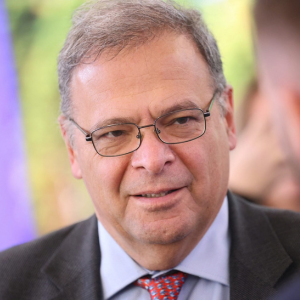
Julian Popov
Former Minister of Environment and Water of Bulgaria
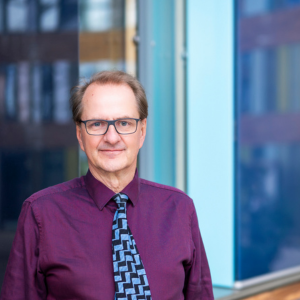
Prof. Dr. Dirk Messner
President, German Environment Agency
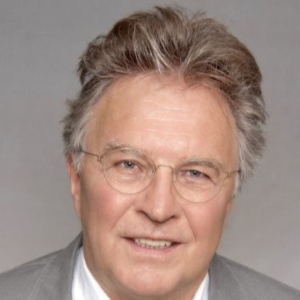
Prof. Dr. Benno Werlen
UNESCO Chair on Global Understanding for Sustainability, Friedrich-Schiller-Universität Jena
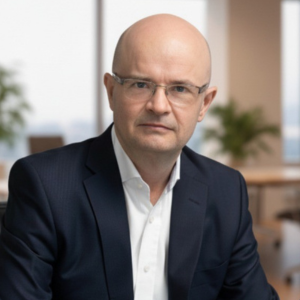
Tomasz Adamski
Senior Director Research & Analysis, Polish Energy Storage Association (PSME)
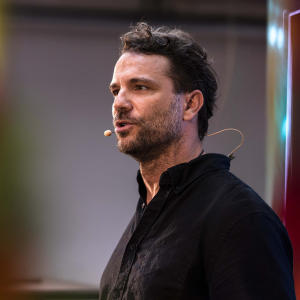
Benjamin Adrion
Initiator Viva con Agua & Villa Viva
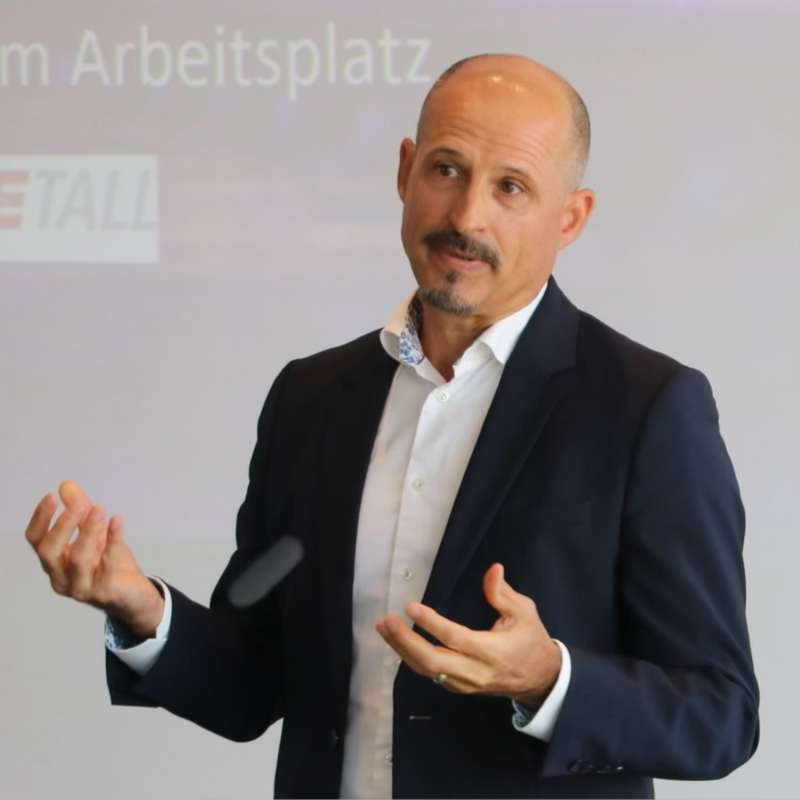
Kai Rappenecker
Director Social Sustainability || Fachexperte und Speaker für betriebliches Gesundheitsmanagement, Audits und Qualitätsmanagement

Dr. Angela Kerek
Co-Founder & CEO, Active Giving
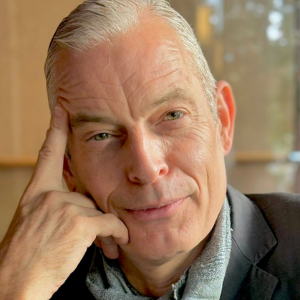
Dr. Daniel Dahm
Founder & Managing Director, United Sustainability GmbH

Prof. Holger Pfaff
Founder & Owner, IFOS – Institute for Organizational Diagnostics and Social Research
Professor Emeritus, University of Cologne
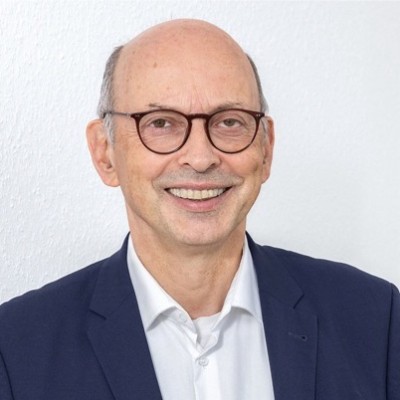
Dr. Johannes Nießen
Acting Director of the Federal Institute for Public Health (BIÖG)

Mario Rieder
Business Facilitator & Health Strategist | Managing Director, Unternehmen Bewegung

Santa Meyer-Nandi
Co-Founder, FindingSustainia
Member, Climate Innovation Fund (Stuttgart)
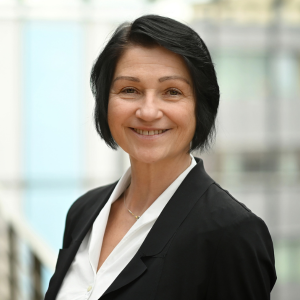
Dr. Ulla Weber
Central Gender Equality Officer, Max Planck Society
Chairwoman of the Board, TOTAL E-QUALITY Deutschland e.V.

Dr. Colin Bien
Co-Founder & CEO, WeShyft GmbH

Ralph Thurm
Managing Director, r3.0

Dr. Rupini Deepa Sobottka
Director ESG & Sustainable Finance, evolutiq Impact Advisory

Sandra Thier
Founder, Digital Health Club
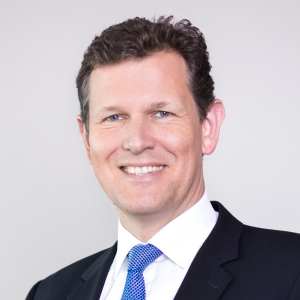
Dr. Carsten Gerhardt
Chairman, Circular Valley Foundation
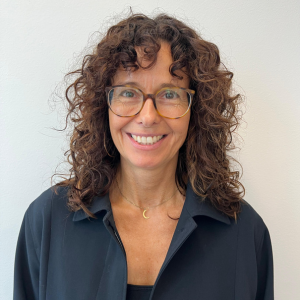
Susanne Kölb-Adams
BGM-Manager/Regional HSEQ Coordination Europe, AFRY Deutschland GmbH

Nadir Wibmer
Executive Leader Occupational Safety & Corporate Health, Autobahn GmbH des Bundes
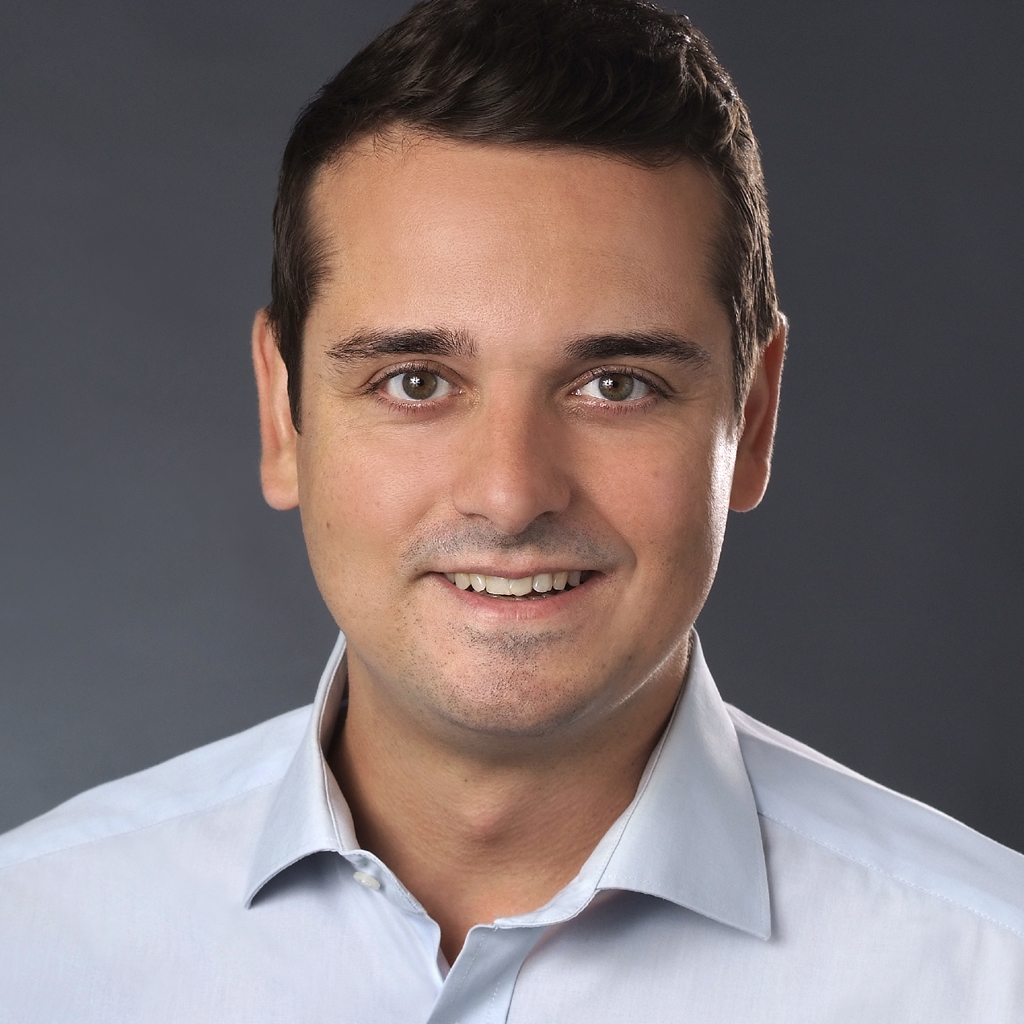
Vassilis Anagnostou
BGM-Manager, NEW Gruppe
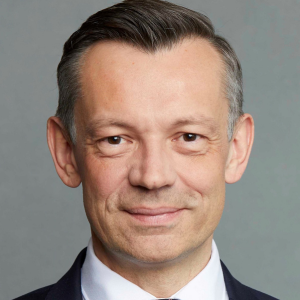
Michael F. Schmidt
Advisory Partner, United Sustainability GmbH

Thomas Meisberger
Key Account Manager DACH, SolaX Power

Ronja Ebeling
Founder, Team of Tomorrow
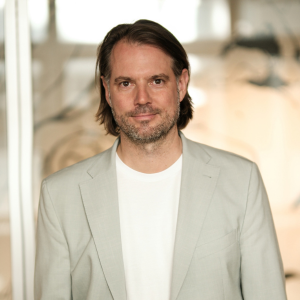
Martin Rahmel
Managing Director, innovate! lab gGmbH
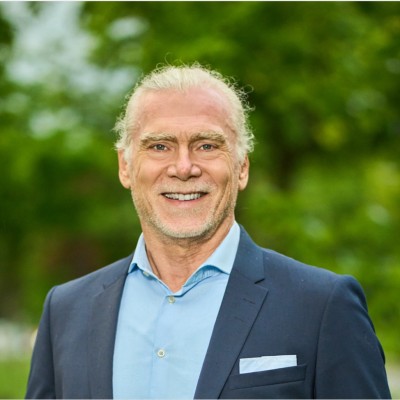
Gregor Alexander Erkel
Board Member, Aurelia Stiftung
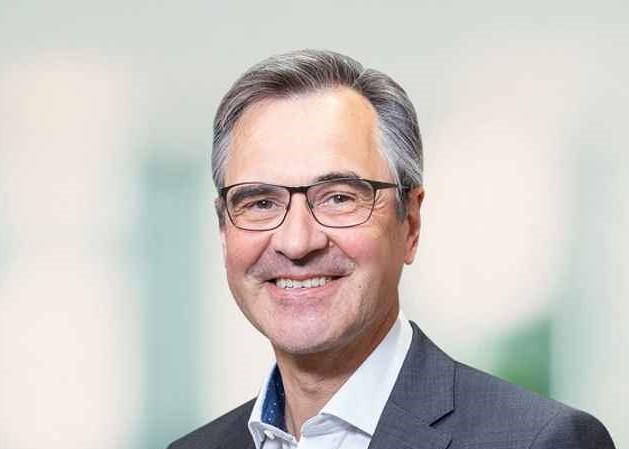
Georg Schürmann
Chair Supervisory Board, Umweltbank AG

Dr. Dijana Galijasevic
CEO & Co-Founder, ImpactHero GmbH
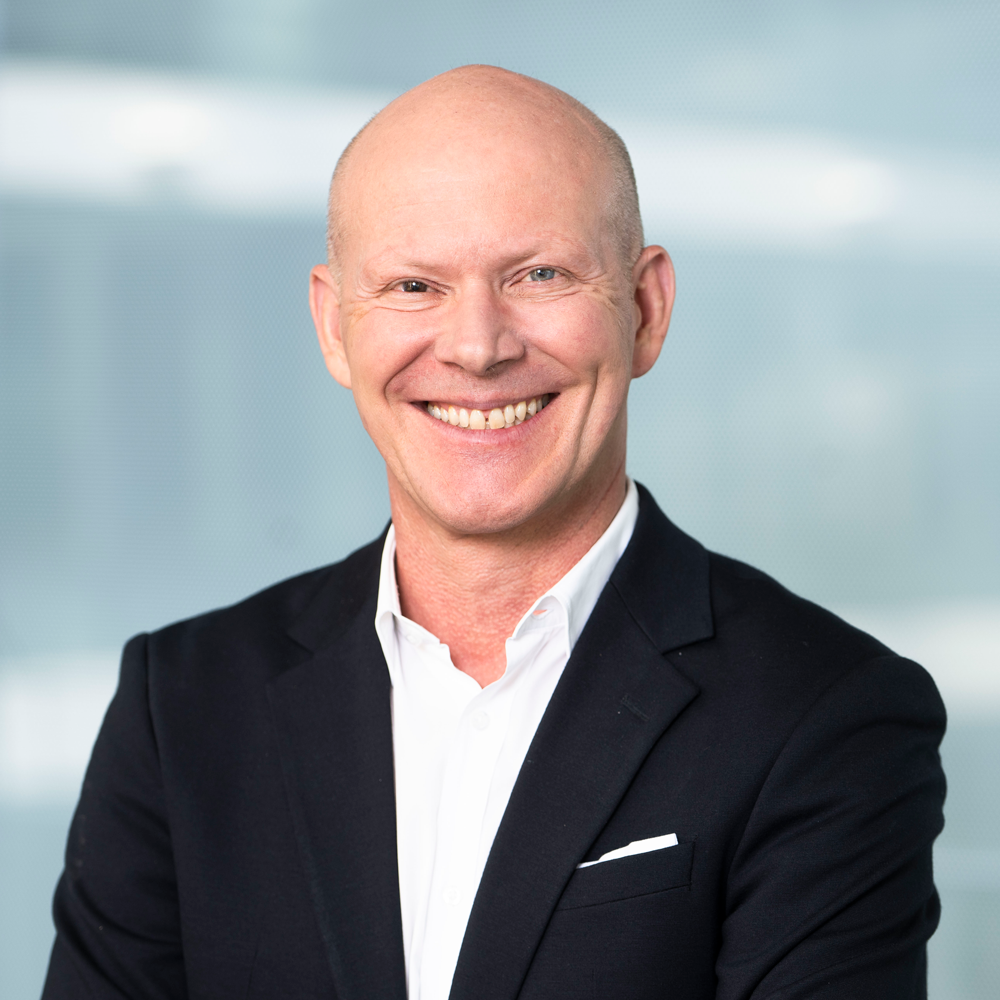
Thomas Knobloch
Corporate Head of Sustainability Reporting & Controlling, Siemens AG

Dr. Hannah Schragmann
Philosopher & CTO, Impact Hero

Monika Stanisheva
Founder & CEO, Green Transition Forum
Prof. Dr. med. Sylvia Thun, Dipl.-Ing. (FH)
Director, Core Unit eHealth and Interoperability, Berlin Institute of Health at Charité (BIH)
Jie Zhang
Managing Director, GoodWe Europe
Dr. Andreas Piepenbrink
CEO of E3/DC, HagerEnergy
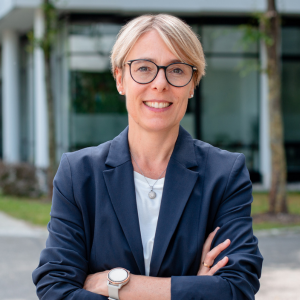
Dr. Claudia Häpp
Senior Vice President Future Energy Home, E.ON Germany
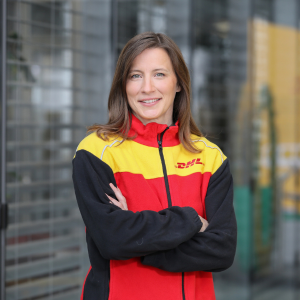
Katharina Tomoff
SVP Global Environment, Social and Governance, DHL Supply Chain
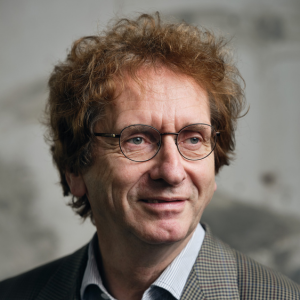
Prof. Dr. Michael Braungart
Founder, BRAUNGART EPEA – Internationale Umweltforschung GmbH
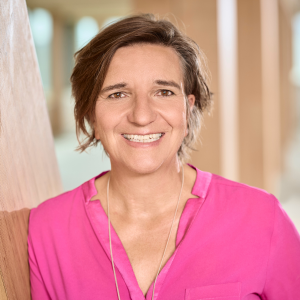
Dr. Meike Gebhard
Managing Director, UTOPIA GmbH
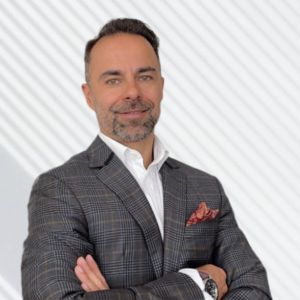
Patrick Vesely
Regional Director Western Europe, Solplanet
AGENDA European Sustainability Week 2026
- ENVIRONMENTAL FORUM
- ESG SUMMIT
- SOCIAL FORUM
- Environmental Forum24.11.2026Moderated byAli Arfa andSaif IslamRotunda
Welcome Speech
Banquet HallPolicy, Regulation & European Market Outlook
Banquet HallLunch Break Environmental Forum
Banquet HallThe Evolution of the C&I Market
Banquet HallLunch Break Environmental Forum
Banquet HallFrom Energy Supplier to Energy Partner
- ESG Summit24.11.2026Moderated by Philipp BächstädtRotunda
Welcome Speech
RotundaProven through Integrity & Transparency
RotundaLunch Break ESG Summit
Breakout Sessions
RotundaPowered by Capital & Innovation
RotundaRealized in Performance & Community
- Social Forum25.11.2026Moderated by Dr. Anna Katharina Meyer
Eröffnungsrede
Banquet HallGesundheit rechnet sich: Steuerung, Kennzahlen, Budget
Kaffeepause & Networking
Banquet HallMental Health: von der Pflicht zur Wirkung
Mittagspause & Networking
Breakout Sessions
Banquet HallDie nächsten fünf Jahre: Digital, KI und das S in ESG
Ausklang & Networking
MODERATORS 2026

Ali Arfa
Head of Data Management, EUPD Group

Saif Islam
Senior Consultant, EUPD Group

Philipp Bächstädt
TV-Presenter | Leadership Coach
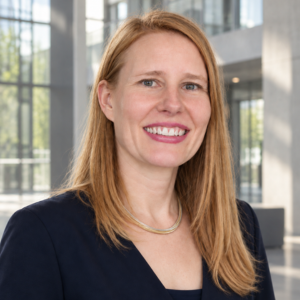
Dr. Anna Katharina Meyer
Co-Founder, FindingSustainia
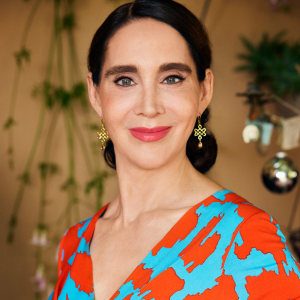
Prof. Dr. Anabel Ternès von Hattburg
CEO, GetYourWings and CSIO Lavivee GmbH / Managing Director, VYBE Future Institute / Board, Muhammad Yunus FoSB

Prof. Dr. Volker Nürnberg
Partner, BearingPoint
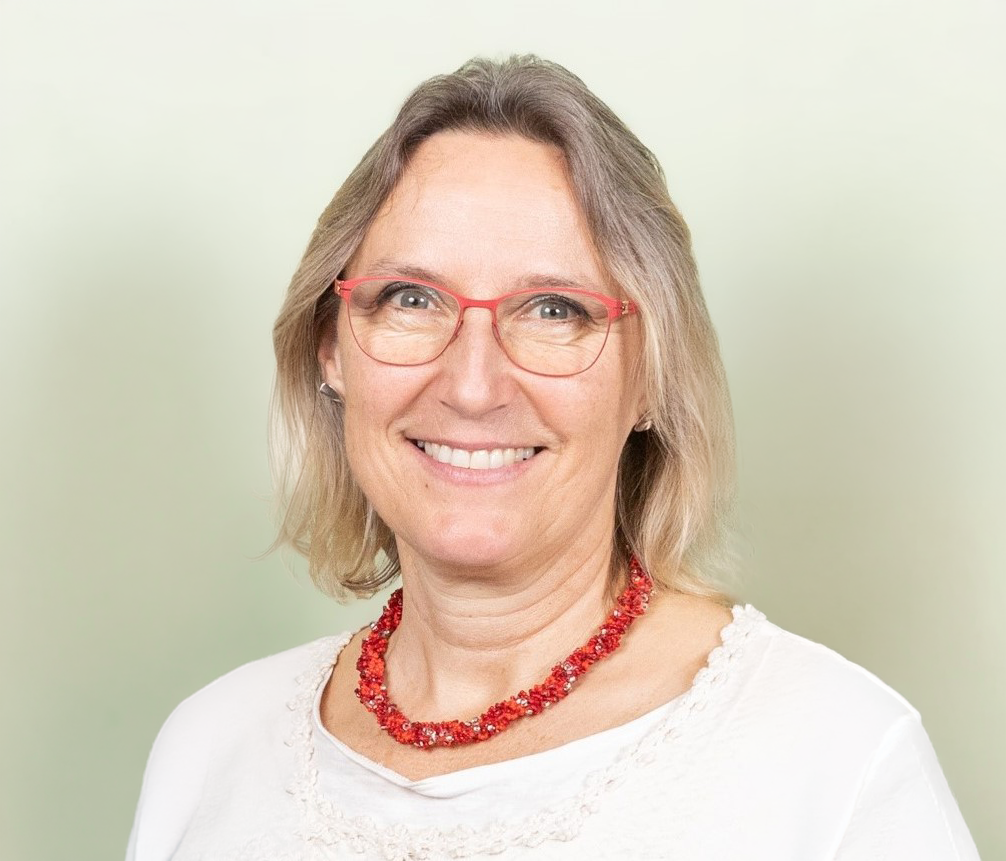
Susanne Bergius
Journalist & Speaker on Sustainable Finance, Tagesspiegel Background

Dr. Renée Nicole Wagner
Corporate Director ESG & Quality Management, Orascom Hotels Management – Corporate Office
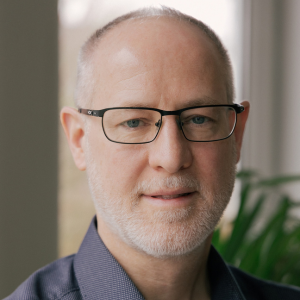
Oliver Walle
Managing Director, Health 4 Business GmbH

Julia Züleyha Pohl
Director Research Operations, EUPD Group
Supported by

































AGENDA | ESG Summit 2026
Moderated by Philipp Bächstädt
- Rotunda
- Banquet hall
- Exhibition
- BreakOut Sessions
Welcome Speech
Welcome Speech
Proven through Integrity & Transparency
Lunch Break ESG Summit
Powered by Capital & Innovation
Realized in Performance & Community
Gesundheit rechnet sich: Steuerung, Kennzahlen, Budget
Policy, Regulation & European Market Outlook
Mental Health: von der Pflicht zur Wirkung
Lunch Break Environmental Forum
The Evolution of the C&I Market
Lunch Break Environmental Forum
Die nächsten fünf Jahre: Digital, KI und das S in ESG
From Energy Supplier to Energy Partner
Moderators
Philipp Bächstädt
TV-Presenter | Leadership Coach

Dr. Anna Katharina Meyer
Co-Founder, FindingSustainia
Member of the Club of Rome (German chapter)

Anna Graf
Innovation Lead Emerging Tech, Arvato Systems GmbH

Ludovica Principato
Ph.D., Associate Professor, Roma Tre University

Julia Züleyha Pohl
Director Research Operations, EUPD Group
Ali Arfa
Head of Data Management, EUPD Group

Markus A.W. Hoehner
Founder & CEO, EUPD Group
Last Year's Sponsors & Partners


Media Partner


Associations & Partner
Breakout Sessions
SPONSORING | ACHIEVING SUCCESS TOGETHER
Brand Visibility
Access to Decision Makers
Showcase Products and Services
Networking Opportunities
Demonstrate Corporate Responsibility
Moderator | Philipp Bächstädt
Venue
The Steigenberger Icon Grandhotel & Spa Petersberg boasts a history full of momentous events. Notably, on November 22, 1949, the Petersberg Agreement was signed within its walls between Chancellor Adenauer and the Western Allies, profoundly shaping the geopolitical landscape of the era. The hotel also served as the seat of the Allied High Commission for Germany until 1955, when West Germany gained sovereignty. In addition, the hotel was the official Federal Guest House during Bonn’s tenure as the capital of West Germany. Its legacy even extends to hosting major diplomatic discussions, including a meeting on the Kosovo crisis in 1999 or hosting the International Conference on Afghanistan in 2011.


Arrival
Train
Travel comfortably and affordably throughout Germany by train with DB event offers:
Attractive prices: low entry price from just €16.19
Flexible combination: apply additional BahnCard discount
Arrival by train: Deutsche Bahn bills long-distance travel with electricity from renewable sources. Learn more >
For access to the shuttle service take the train to the Köngiswinter train station.

Shuttle
A shuttle service is available between Königswinter train station and the Steigenberger Grandhotel.
Regular transfers during arrival and departure times.
Car/Parking
Parking spaces
Costs for parking near the hotel:
€12/24 hours
€8/8 hours
€3/3 hours
Plane
And if there’s simply no way around flying…
Cologne/Bonn Airport
Distance: 26 km
Estimated taxi cost: €75 (one way)


The Pulse of Progress - ESW 2025 Highlights


OUR CORPORATE GROUP AT A GLANCE



Contact
You want to become an active part of the European Sustainability Week or ask further questions? Please contact us here.
Adenauerallee 134
53113 Bonn
Tel.: +49(0)228 504 36-74
Mo-Fr 9:00-18:00
You are currently viewing a placeholder content from Default. To access the actual content, click the button below. Please note that doing so will share data with third-party providers.
More Information